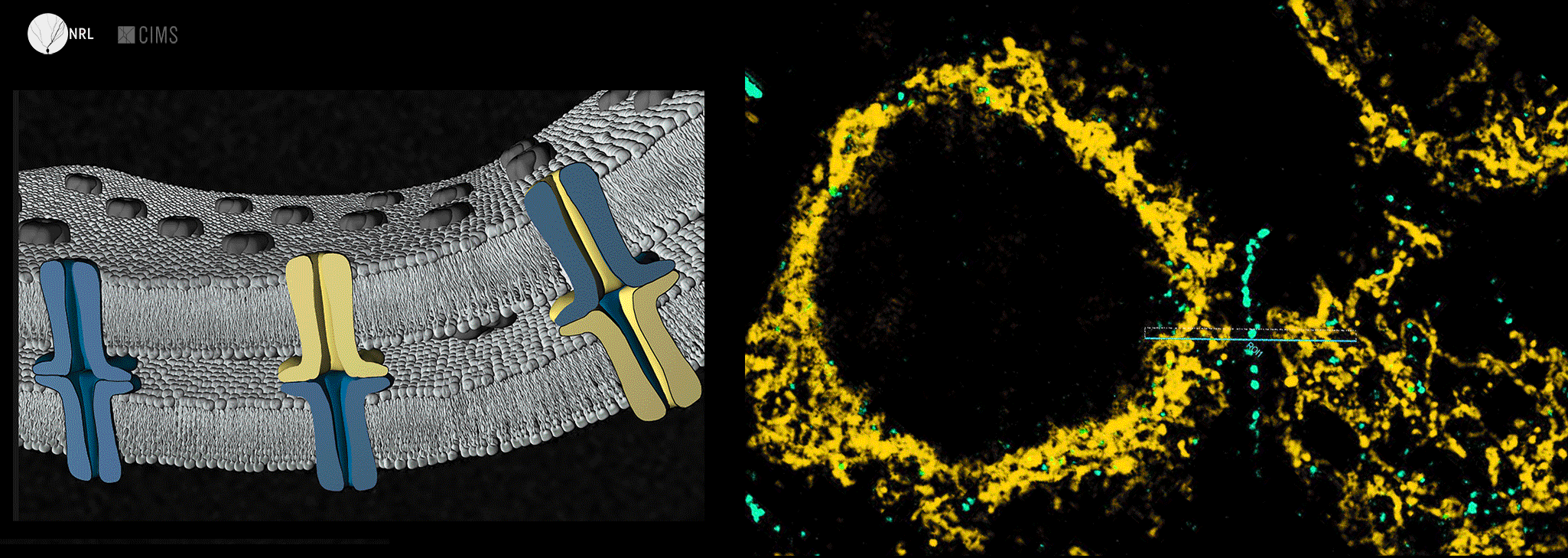
Our ultimate goal is to bring our discovery, target, and diagnostic research programs to clinic. Thus, a subset of NRL team members focus on identifying clinically approved drugs and medicines used by traditional healers that modify lipid and target molecule signalling and repurposing these compounds to potentially treat neurodegenerative diseases. Using patient fibroblasts, human neurons derived from induced pluripotent stem cells reprogrammed from patients as well as genetically matched familial controls, transgenic mouse models of human disease, and patient-specific mouse models of rare pediatric neurodegenerative diseases, we seek to (i) identify compounds that normalize levels of critical lipid indicators and/or modulate their signalling pathways and (ii) establish whether these compounds (a) reduce neuro- and gliotoxicity, (b) direct neural stem cell fate to facilitate regeneration, and/or (c) compensate for aberrant lipid metabolism to reduce the rate of phenoconversion (onset of cognitive decline) in vitro and in vivo. In the process, we develop and validate new preclinical animal models of neurodegenerative disease.
Cieniak C, McDonald C, Nash J, Asim M, Badawi A, Haddad PS, Cuerrier A, Bennett SAL, Foster BC, Arnason JT (2015) Evaluation by microarray of the potential safety of Sarracenia purpurea L. (Sarraceniaceae) a traditional medicine used by the Cree of Eeyou Istchee, J Pharm Pharmaceut Sci, 18:562-577.
CIHR - Aberrant phospholipid and sphingolipid metabolism is a primary and targetable pathology in Alzheimer Disease (with PI: Dr Steffany Bennett, Co-invest: Dr Daniel Figeys, Dr Kristin Baetz, Dr William Stanford, Dr Sandra Black)
CIHR - Targeting connexin and pannexin communication in demyelinating diseases (with Co-Invest: Dr John Arnason, Dr Eve Tsai)
Canadian Rare Diseases: Models and Mechanisms Network - Phenotypic and biochemical characterization of a CRISPR/Cas murine model of neonatal progeroid syndrome (with Co-Invest: Dr David Dyment)